#Races
Maritime Futures Regatta
Why Wind Data Matters for Clean Shipping
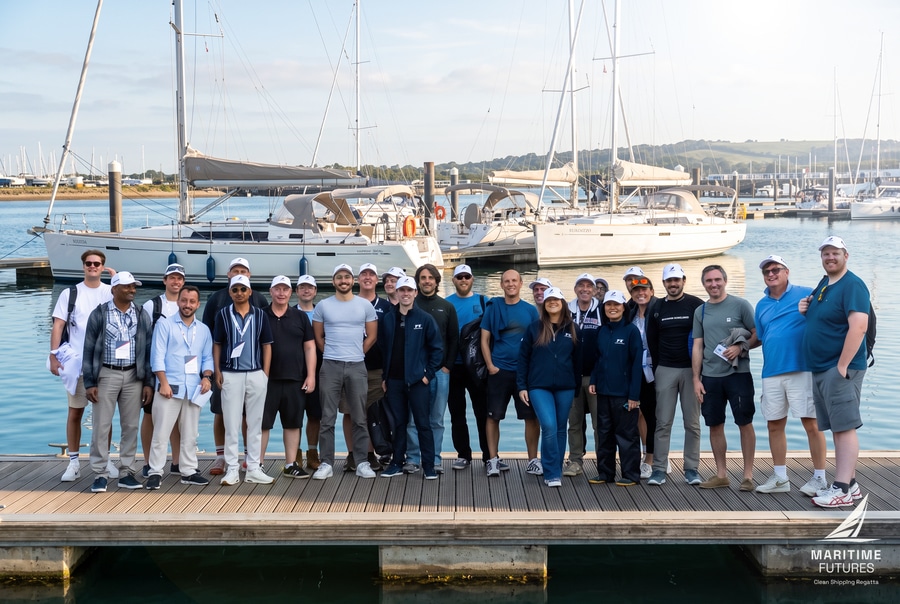
On September 23rd, Kantar Advisory Partners and GT Wings hosted and organised the Maritime Futures Clean Shipping Regatta at Port Solent Marina in Portsmouth. The event brought clean maritime technology provides together with shipowners, port authorities, investors, classification bodies and policymakers. Its aim was to help technologies move from funded demonstration to commercial deployment.
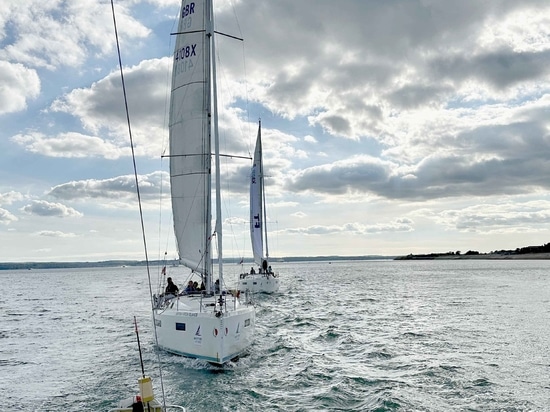
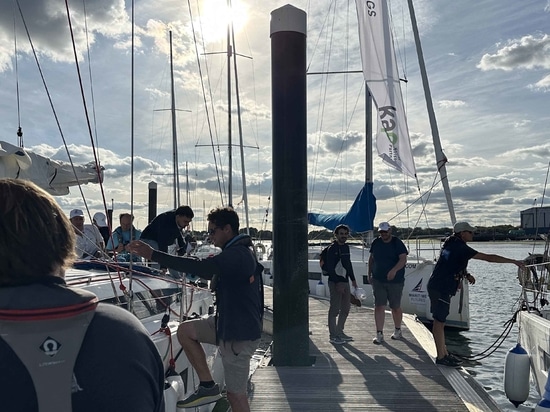
The format: a day of racing on the Solent followed by an Awards & Innovation Gala. Delegates sailed with professional skippers and mates, then moved ashore for technology pitches followed by the awards ceremony.
FT Technologies took part as a technology partner. FT’s Chris Trodden presented in the Technology Spotlight session alongside other innovators, including GT Wings, the event's Showcase Partner.
Why Yacht Racing Matters to Clean Shipping:
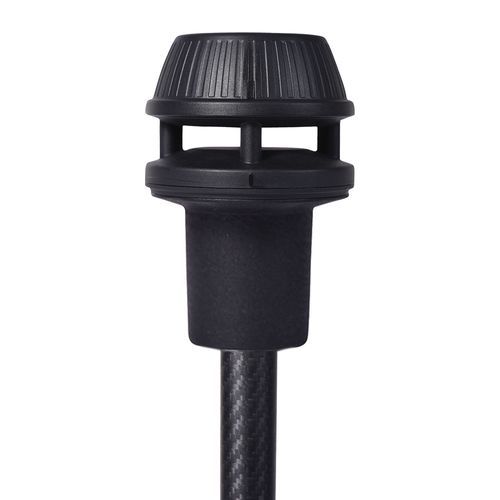
Competitive sailing is one of the toughest testing grounds for marine technology. In the IMOCA class, hydro-foiling yachts reach speeds of up to 40 knots and endure severe slamming loads. Mechanical wind sensors have struggled in these conditions, which has pushed teams toward more durable solid-state alternatives. In the most recent Vendée Globe edition, eight of the first eleven finishers used FT wind sensors, a result that reflects how well FT's Acu-Res® solid-state ultrasonic technology holds up in extreme conditions.
The regatta showed why that matters beyond racing. Wind-assisted propulsion, including rigid wing sails, rotor sails, suction wings and kites, is now one of the most visible routes to cutting fuel consumption and emissions on commercial vessels. These systems only deliver their full benefit if they are controlled using accurate, real-time wind data.
What Wind-assisted Ships Need From A Wind Sensor:
- Accuracy in apparent wind speed and angle. Sail and wing trim, and the decision to use or feather a system, depend on precise measurements.
- Reliability at sea. With no moving parts to wear, freeze or fail, a solid-state sensor suits long ocean passages and low-maintenance operation.
- Data for performance verification. Owners and charterers need credible measured data to show fuel and emissions savings to investors, insurers and regulators.
These are the same qualities that matter to a solo sailor crossing the Southern Ocean, applied to a vessel carrying thousands of tonnes of cargo.
Looking Ahead:
Racing has long served as a proving ground for marine technology, and the regatta made that link practical by putting stakeholders on yachts to experience wind-powered performance first-hand and to serve as a reminder for us to champion for clean shipping. FT is working on several projects with companies in this space and can't wait to see the industry progress in the coming months and years.