
#Product Trends
15.3% CAGR: Membrane LNG Carriers Surge — Where Is the Answer for Insulation Materials?
Inside the USD 1.85 billion cryogenic insulation market reshaped by IMO decarbonization, membrane dominance, and supply-chain independence.
According to QYResearch’s Global LNG Ship Insulation Panel Market Report 2025–2031, the global market is projected to reach USD 1.85 billion by 2031, with a CAGR of 15.3%. More importantly, membrane containment systems now account for over 90% of new vessel orders. When engineers ask how to control BOG evaporation and optimize space utilisation on cryogenic vessels, they are responding to three overlapping industry trends:
Expanding maritime transport — IMO sulphur limits and carbon-reduction targets are driving strong demand for LNG as a cleaner alternative fuel, increasing orders for ocean-going carriers and coastal LNG dual-fuel vessels.
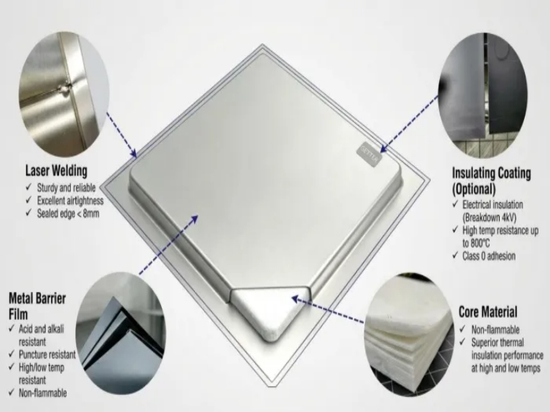
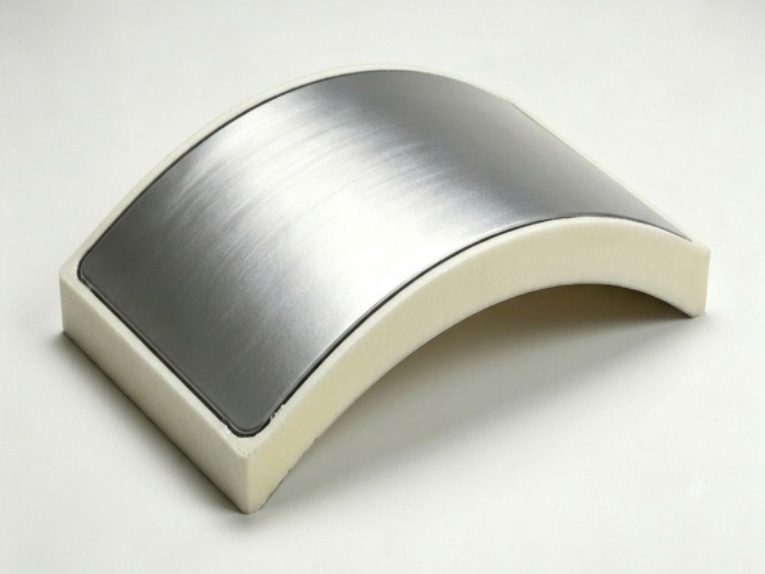
Membrane technology has become dominant — membrane tanks provide high capacity and excellent space utilisation, but their insulation barrier is installed directly against the hull structure. The insulation must therefore combine very low thermal conductivity with impact resistance and stable performance under cryogenic conditions.
Demand for supply-chain independence — Chinese shipyards have secured a significant share of global LNG newbuild orders. For years, a handful of overseas suppliers controlled key insulation materials, resulting in long lead times and high prices. To move into higher-value shipbuilding, the industry must establish independent and controllable insulation-system supply chains.