
#Product Trends
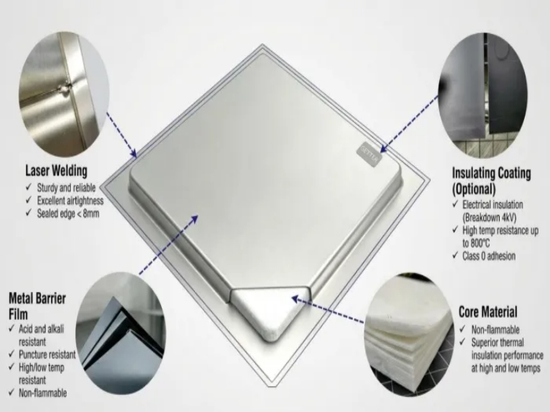
How Can Space Constraints in Energy Storage Cabins Be Solved? VacuEco® Yujia VAP High-Temperature Insulation Panels Reduce Thermal Management Space Requirements by 90%
5–20 mm ultra-thin metal vacuum insulation panels reshape the internal layout of containerized ESS designs
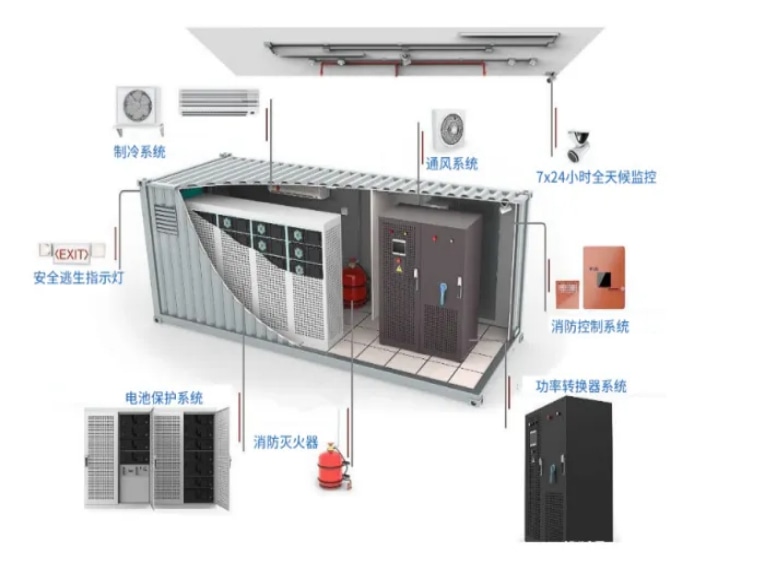
The internal space of an energy storage container or cabinet is fixed. Taking a 1MW/1MWh containerized ESS as an example, the system typically integrates battery modules, monitoring systems, BMU, dedicated fire-protection systems, dedicated air-conditioning systems, PCS, and isolation transformers — all inside a 40-foot container. If insulation consumes an additional several tens of millimeters, the internal layout becomes increasingly constrained.
For the same insulation requirement, a more efficient material system that reduces thickness releases more internal space for structural optimization and better thermal-management layout. The practical question engineers should ask: “How much space is actually required to achieve the desired insulation performance?”