#Industry News
The Right Angle for Every Underwater Cut
Two angles. One cutting system.
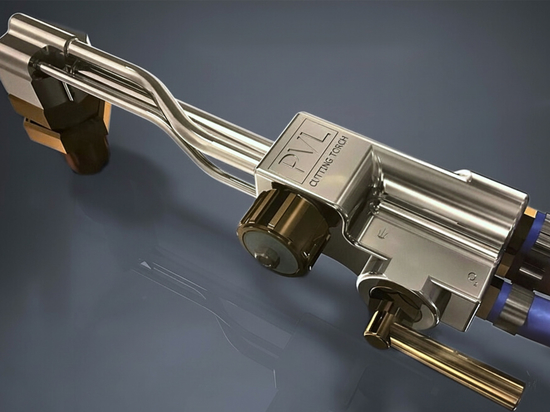
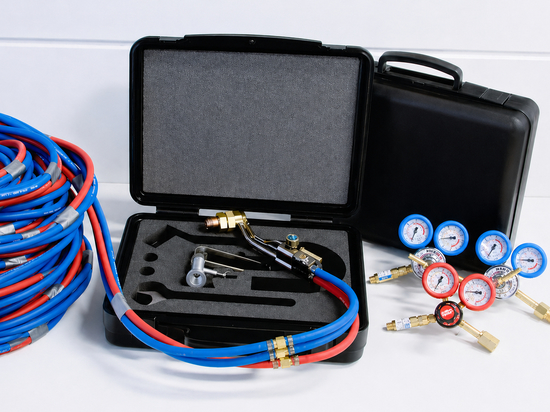
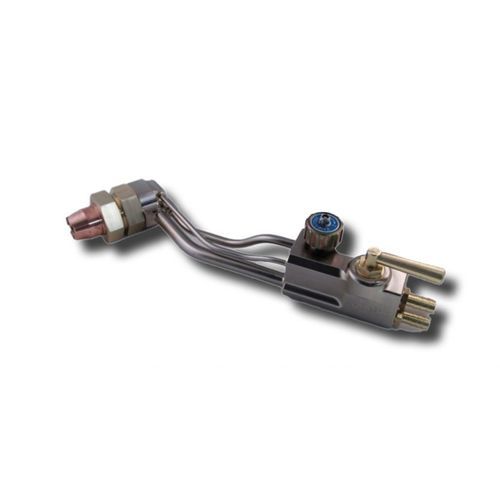
The PVL Underwater Cutting Torch is available in two versions, each designed to meet the demands of professional diving operations. The choice between them comes down to one thing: the geometry of the job.
Underwater cutting is rarely straightforward. Confined spaces, structural geometry, and proximity to the seabed all determine how a diver can approach a cut. Recognising this, PVL International developed two configurations of their cutting torch, a 55° cutting head and a 90° cutting head, that cover the full range of professional underwater cutting scenarios without any compromise in performance.
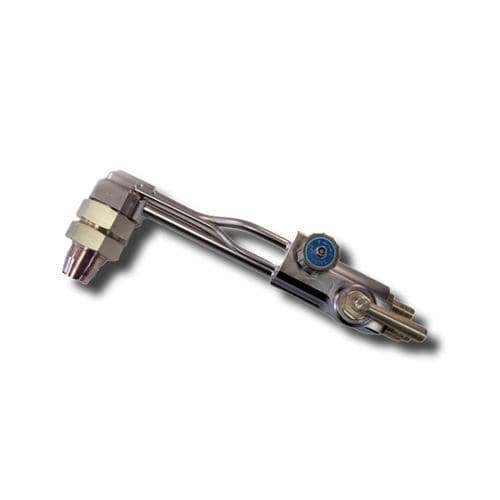
The 55° model: low-angle precision
The 55° cutting head is built for situations where the diver's working position is dictated by the environment rather than preference. When cutting close to the seabed, working inside tight structural spaces, or tackling a job at a difficult angle, the lower head geometry gives the operator the reach and control that an upright tool simply cannot provide.
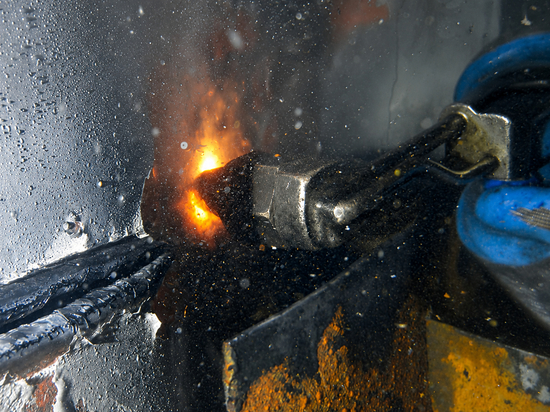
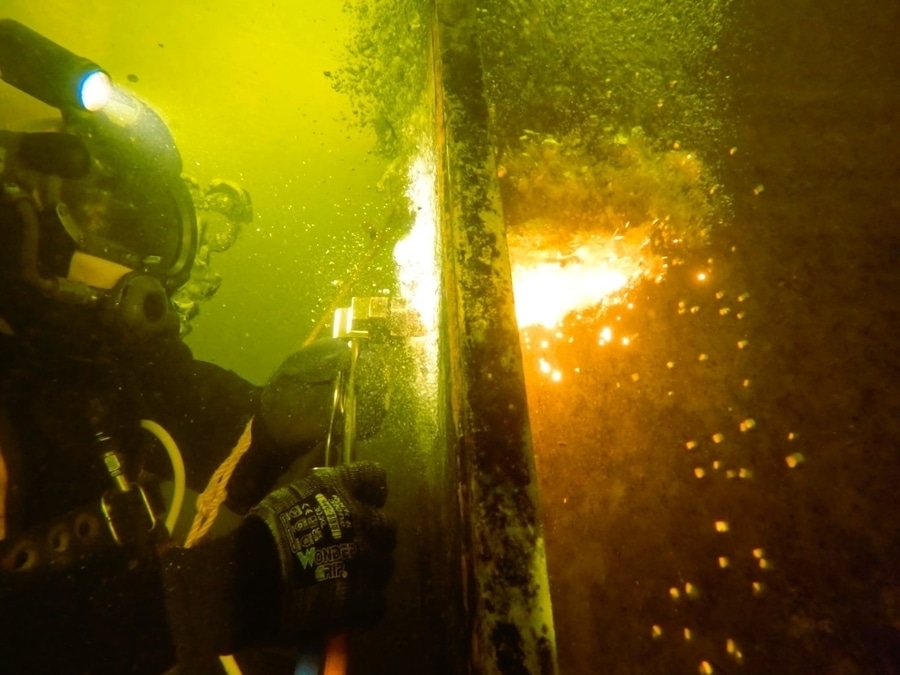
One of its most common applications is cutting sheet piles along the toe line, a technically demanding task that requires sustained accuracy at an angle that most tools handle poorly. The 55° head makes this type of cut manageable and repeatable, even in challenging conditions.
The 90° model: vertical and horizontal accuracy
Where clean, perpendicular cuts are the priority, the 90° cutting head delivers. Its geometry is suited to the kind of structured, methodical cutting that offshore decommissioning, pipeline work, and harbour operations require: straight openings through ship hatches, precise vertical cuts through steel structures, and controlled removal of underwater infrastructure.
In these environments, the 90° head functions as the default choice, reliable for anything where the diver has adequate space and the cut needs to be geometrically accurate from the first pass.
One system, two configurations
What makes the PVL approach compelling is not just that the two models exist, but that they perform identically. Both deliver cutting speeds up to three times faster than conventional thermal cutting. Neither requires consumable electrodes, which brings the cost per metre down significantly compared to electrode-based alternatives. And both are designed for low maintenance and maximum uptime, a practical consideration in any offshore or marine operation where equipment downtime has a direct cost.
The result is a standardised system where operators maintain a single parts inventory, training transfers directly between models, and the decision of which torch to deploy is made on the basis of the job rather than the tool's limitations.
For salvage teams opening up wreck structures, offshore contractors dismantling subsea platforms, harbour engineers removing old foundations, or pipeline crews making precision cuts at depth, the PVL Underwater Cutting Torch gives every operation the right angle, without giving anything up.