#Product Trends
The Development History of Rudder Control Lever Miniaturization
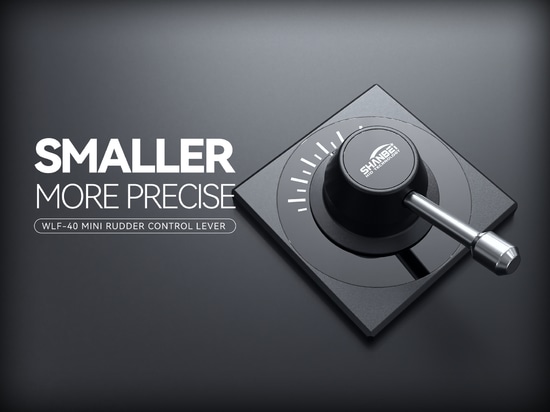
The emergence and popularization of the mini rudder control lever can be simplified into the following three stages:
1. Technical Prerequisite: Hydraulic Assistance Liberated the Size
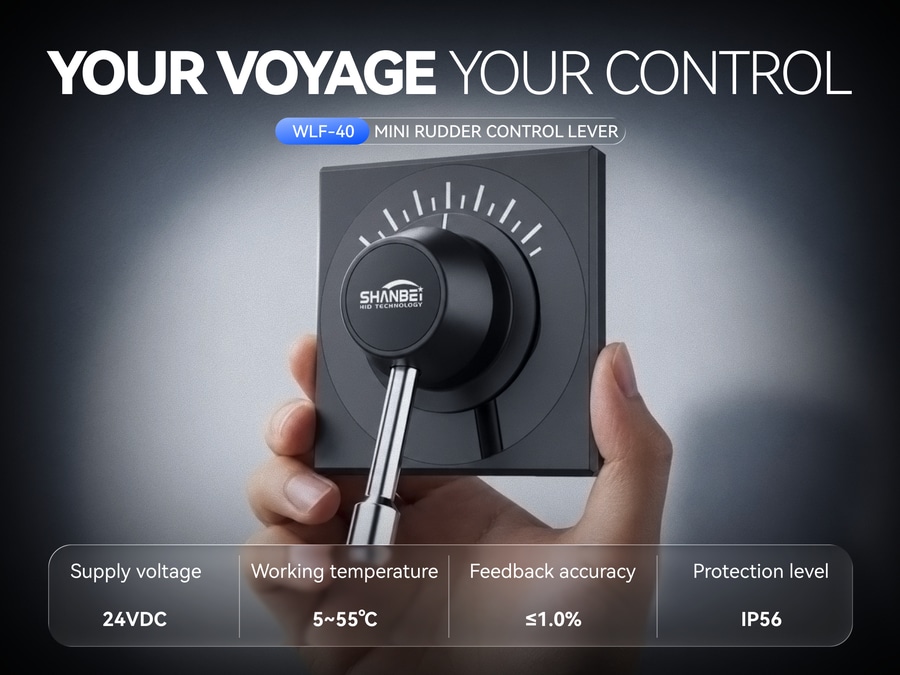
1)Traditional rudder control levers had to be massive in order to provide a long lever arm against water pressure. With the widespread adoption of hydraulic power-assisted systems, the operating force was amplified, and the size of the rudder control lever was substantially reduced. This made the mini rudder control lever possible.
---------------------
2. Drivers of Popularization: The Boom of Small Craft and the Electronic Revolution
1)Explosion of small vessels: After World War II, the mass popularity of yachts, speedboats, and other small craft meant that their compact spaces could not accommodate a large rudder control lever. A compact, sporty rudder control lever became a necessity.
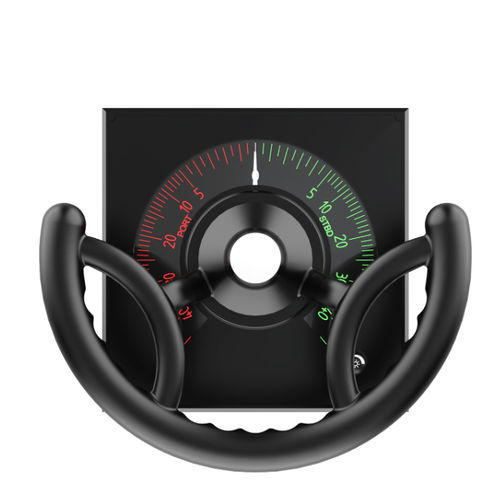
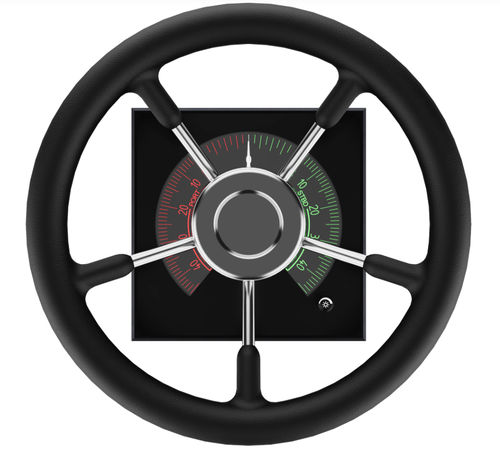
2)Realization of steer-by-wire: The rudder control lever became a purely electronic command input device. With no need for a physical lever arm, its size could be freely designed — as small as a knob or a gaming-style steering wheel.
3)Demand for fine maneuvering on large vessels: During berthing and other precision operations, large ships require additional independent mini rudder control levers or joysticks installed at bridge wings for accurate fine-tuning.
---------------------
3. Contemporary Design Philosophy: Innovation in Space, Visibility, and Interaction
1)Modern vessels pursue open deck spaces and integrated bridge consoles. A small rudder control lever does not obstruct instruments and sightlines. At the same time, more effortless and intuitive control interfaces such as joysticks have emerged, further replacing the role of the traditional large rudder control lever.