#Product Trends
From Mechanical Command to Intelligent Interaction: The Evolution of Marine Propulsion Control Levers
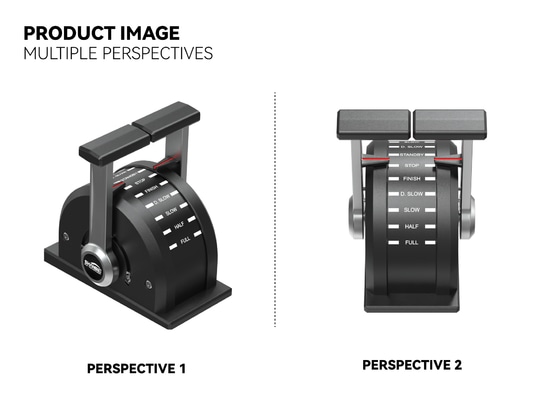
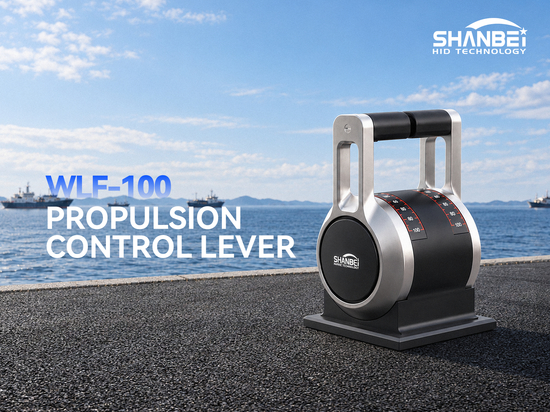
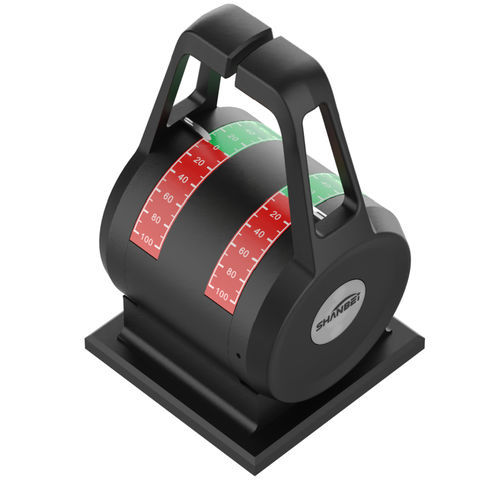
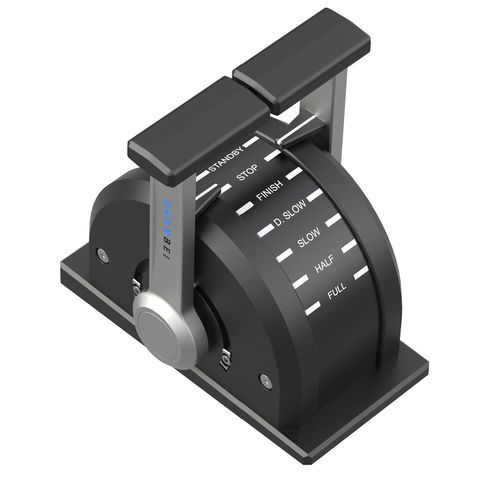
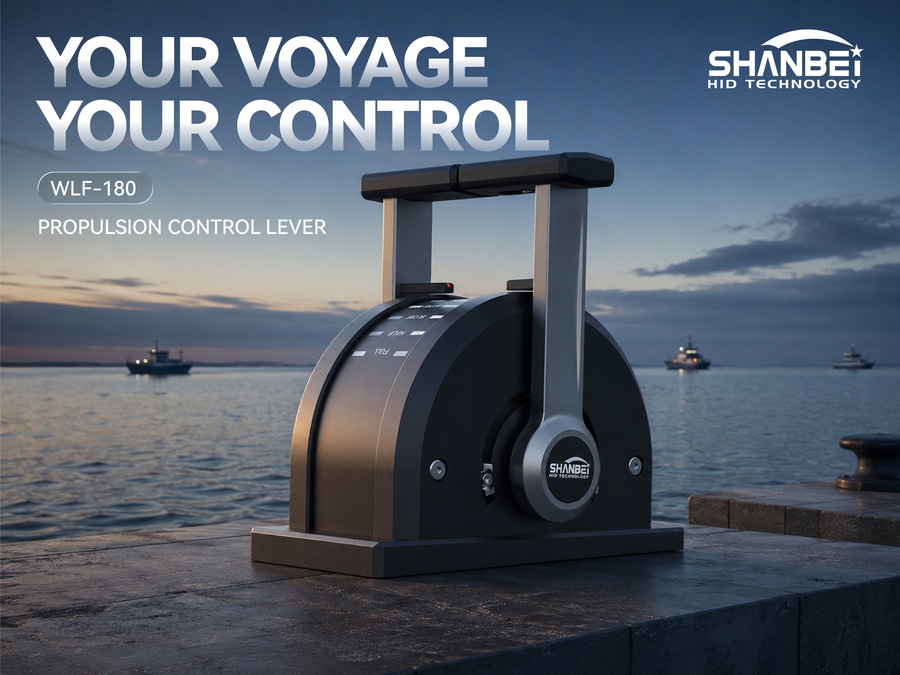
The main propulsion control lever is the primary human–machine interface between the operator and the power plant.
1.Key Drivers of Change
1)Integrated single‑lever control for entire propulsion systems
2)Adaptive damping, force feedback, and AI‑assisted decision support
3)Human‑centric features: backlighting, ergonomics, multimodal feedback
4)High reliability: IP56, contactless sensors, full redundancy
5)Wireless connectivity for multi‑station and remote/mobile operation
-----------------
2.Five Design Trends
1)Intelligence & Automation – auto‑recognition of navigation states and load conditions, coordinating with autopilot and power management for fuel efficiency.
2)Ergonomics – 90 mm grip diameter, textured elastomer surfaces, and adjustable damping for clear haptic feedback under oily/wet conditions.
3)Safety – multi‑redundant sensors and independent channels, IP56 protection, compliance with IEC60945 for EMC and vibration.
4)Digitalisation – IoT‑enabled data exchange with onboard systems, real‑time remote monitoring and diagnostics.
5)Multi‑function Integration – future levers will also control thrusters, windlasses, winches, etc., enabling centralised one‑lever management.
-----------------
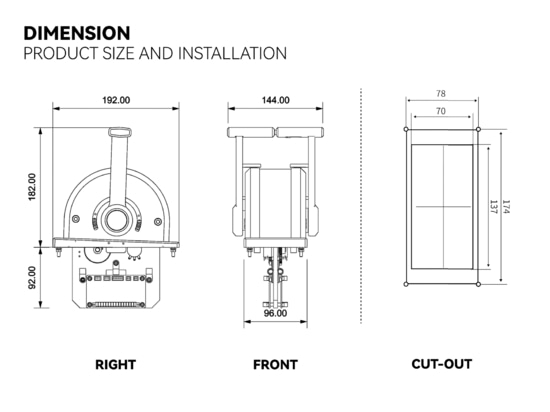
3.Typical Specifications
1)Supply: 24 V DC
2)Travel: ±60° (customisable)
3)Protection: IP56 (panel‑mounted) / IP22 (base)
4)Operating temp: 5 °C – 55 °C
5)Material: anodised aluminium alloy
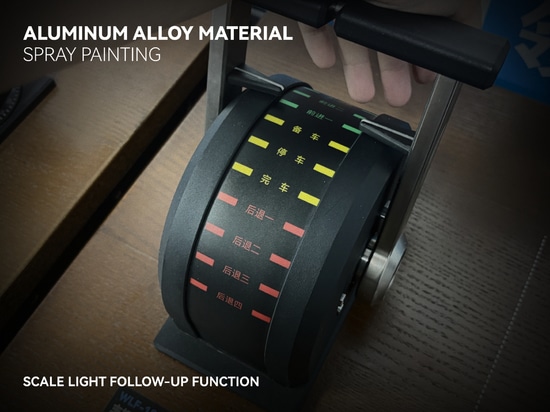
6)Feedback: scale‑backlight follow‑up, adjustable damping, tactile/audible detents
-----------------
4.Market Snapshot (2025)
1)8,840 new installations (newbuilds + major retrofits)
2)Average unit price: ~US$16,400
3)Global market: US$144 million in 2025, projected US$241 million by 2032 (CAGR 7.6%)
4)Levers from multiple suppliers are already operating reliably in major international console systems, meeting high precision and dependability standards.
-----------------
5.Future Directions
1)Single‑lever full‑system control for high‑manoeuvrability operations
2)Adaptive damping, force feedback, and AI‑enhanced decision support
3)Advanced backlighting, ergonomics, multimodal interaction
4)IP56, contactless sensors, fully redundant hardware
5)Wireless multi‑station switching and remote/mobile operation
6)Autonomous‑ready features: emergency backup, shore‑based remote control, digital‑twin pre‑simulation
-----------------
The evolution of the propulsion control lever mirrors the digital transformation of the maritime industry. Even as bridge and engine rooms become increasingly unmanned, this hand‑held device remains the most direct and trusted link between human and vessel—where safety, precision, and reliability will always be the foundation of seafaring.