#Product Trends
Aquaculture USV: Feed, Patrol and Monitor
Aquaculture USV: Feed, Patrol and Monitor
1. Automated Feeding: Precision Where It Counts
Feed represents the single largest variable cost in aquaculture — typically 40–60% of total operational expenses. Inefficient feeding leads to wasted feed, poor feed conversion ratios (FCR), and accumulated waste that degrades water quality.
A USV equipped with a feed hopper and broadcast system can deliver feed on a programmed schedule or on-demand via remote control. The advantages over fixed aerator-mounted feeders or manual broadcast include:
Mobility — The USV moves to the specific cage or pond zone where feed is needed, rather than distributing from a fixed point. This is especially valuable for large pond complexes or multi-cage offshore setups where feed distribution must be matched to fish density and current patterns.
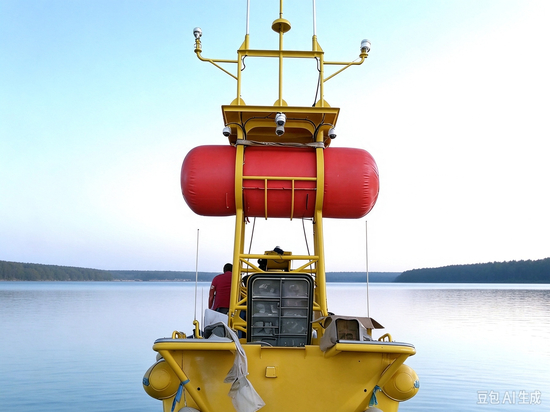
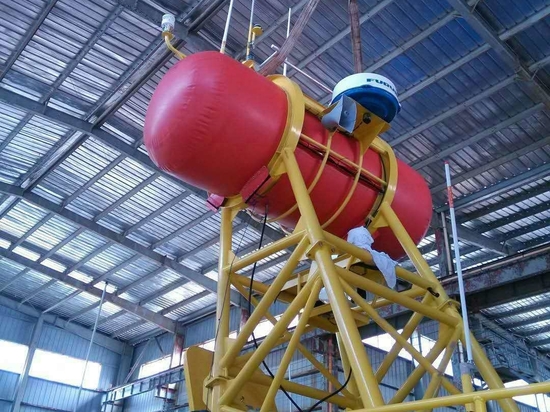
Precision — The operator can vary feed rate by zone, adjusting for different species, sizes, and feeding behaviors within the same water body. For semi-submersible USVs like the HM250, the low profile and quiet electric drive allow close approach to feeding zones without spooking fish.
Data logging — Feeding events are timestamped and geotagged, giving farm managers a digital record of when, where, and how much feed was distributed — essential data for FCR analysis and audit compliance.
Key specifications for feeding applications:
Payload capacity sufficient for feed hopper (the HM250 supports modular payload mounting)
Low-speed station-keeping capability to hold position at cage sites
IP-rated electronics resistant to feed dust and corrosive ammonia atmospheres
2. Perimeter Patrol: Deterrence and Early Warning
Aquaculture farms are vulnerable to three types of threats: predator intrusion (birds, otters, seals), poaching, and net or cage damage from weather or marine traffic. A crewed patrol boat for every shift is expensive and often impractical for remote farms.
A USV configured for patrol can:
Conduct autonomous transects — The operator defines a perimeter waypoint route, and the USV runs it on a repeating schedule, day or night. Thermal cameras detect warm-bodied predators in low-light conditions, while optical zoom cameras identify unauthorized vessels approaching cage zones.
Deliver real-time alerts — When the onboard camera system detects motion in restricted zones, the USV can automatically transmit video to a shore-based control station. The operator assesses the situation and can deploy a loudspeaker or siren payload to deter intruders without launching a crewed response.
Document incidents — All patrol footage is recorded with GPS overlay, providing evidence for insurance claims, regulatory reporting, or law enforcement referrals.
For aquaculture patrol, the waterjet propulsion configuration of HVON's USVs is particularly advantageous. Weedy ponds and floating debris (feed bags, plant matter, loose netting) would foul a conventional propeller, but the enclosed impeller of a waterjet system operates reliably in these conditions.
3. Water Quality Monitoring: Continuous, Georeferenced Data
Water quality in aquaculture is not static — it changes with feeding cycles, weather, tidal flow, and stocking density. A single daily grab sample from a fixed point may miss critical fluctuations in dissolved oxygen, pH, or ammonia that can stress or kill stock.
A USV equipped with a multi-parameter water quality sonde provides continuous, spatially distributed data:
Parameters measured:
Dissolved oxygen (DO) — the most critical short-term parameter; levels can drop dangerously overnight in high-density ponds
Temperature — affects metabolic rate, feeding behavior, and oxygen solubility
pH — alkalinity swings can indicate biological stress or algal bloom onset
Salinity/conductivity — critical for brackish and coastal farms
Turbidity — measures suspended solids from feed waste, sediment runoff, or algal growth
Ammonia (NH3) — toxic to fish even at low concentrations; spikes after feeding
Operational workflow:
The USV runs a programmed survey grid across the farm. At each waypoint, the sonde records a full parameter set with GPS coordinates. Data is transmitted in real time to the shore station or stored onboard for post-mission download. If DO drops below a configurable threshold, the system can trigger an alarm or automatically activate aerators.
The HM250 USV is well-suited to this role: its semi-submersible design places the sensor pod at a consistent depth below the surface, avoiding surface film contamination that can skew readings. For larger farms and longer endurance missions, the HM400 provides extended range and higher payload capacity.
4. The Multi-Mission Advantage
The real value of an aquaculture USV is that a single platform can perform all three tasks — feeding, patrol, and monitoring — on a single deployment.
A typical daily mission profile:
Time Task Payload
06:00 Water quality survey across all ponds Multi-parameter sonde
07:00 Predator patrol (north perimeter) Thermal camera
08:30 Feed delivery (cages 1–6) Feed hopper
10:00 Repeat water quality at outflow zones Sonde
14:00 Feed delivery (ponds 7–12) Feed hopper
16:00 Full perimeter patrol Day/night camera + loudspeaker
18:00 Evening water quality snapshot Sonde
By combining these missions into a single USV workflow, farms reduce boat traffic, fuel consumption, and labor requirements while increasing data density and response speed.
5. Platform Selection for Aquaculture USVs
Not all USVs are suited to aquaculture environments. Key selection criteria include:
Shallow-water capability — Pond depths of 1–3 meters are common. The USV must operate safely in these conditions without bottom contact. Waterjet propulsion is strongly recommended (see the waterjet vs propeller comparison for details).
Debris tolerance — Feed bags, netting fragments, plant matter, and sediment are present in all aquaculture settings. Open propellers foul quickly; waterjet intakes with properly sized grilles handle debris much better.
Payload modularity — The USV must support quick-change payload mounting for feeding, sonde, and camera modules. Modular rail or bay mounting systems are preferred.
Autonomy level — At minimum, the USV should support waypoint navigation, station-keeping, and geofenced operation. Autonomous return-to-home and low-battery failsafe are essential for unattended missions.
Corrosion resistance — Ammonia from fish waste, salt spray in coastal farms, and high-humidity environments demand marine-grade materials and sealed electronics.
Both the HM250 ($35,000) and HM400 ($52,000) meet these criteria, with the HM400 offering longer endurance and higher payload capacity for larger farms.
Summary
Aquaculture USVs are transitioning from experimental tools to operational assets. By consolidating feeding, patrol, and water quality monitoring into a single unmanned platform, farm operators gain better data, lower labor costs, and faster response to changing conditions.
For farms considering their first USV deployment, starting with a water-quality-capable platform and adding feeding and patrol payloads over time is a practical, phased approach. Contact the HVON Boat team for technical consultation tailored to your farm size, species, and water conditions.
IMAGE ASSETS
Image 1
URL: https://25795189.s21i.faiusr.com/2/ABUIABACGAAg3pyIhAYo-Iq9iAYwoAY4oAY.jpg
Alt text: HM250 semi-submersible USV deployed for aquaculture water quality monitoring and patrol in pond environments
Image 2
URL: https://25795189.s21i.faiusr.com/4/ABUIABAEGAAgq_it-QUo1qH73gQw7gY4rAQ.png
Alt text: HVON Boat USV performing multi-mission aquaculture operations including feed delivery and perimeter patrol
INTERNAL LINKS
https://www.qdhvon.com/h-pd-26.html — anchor: "HM250 Semi-Submersible USV"
https://www.qdhvon.com/h-pd-32.html — anchor: "HM400 Semi-Submersible Waterjet USV"
https://www.qdhvon.com/en/h-nd-313.html — anchor: "waterjet vs propeller comparison"
https://www.qdhvon.com/en/ — anchor: "HVON Boat"
SEO KEYWORDS
aquaculture USV, water quality monitoring, feeding patrol, unmanned surface vehicle aquaculture, pond monitoring USV, fish farm drone boat, HM250 aquaculture, waterjet USV aquaculture, multi-parameter sonde USV, autonomous feeding USV, aquaculture perimeter patrol