#Industry News
Self-Righting for Military and Police USVs
Self-Righting for Military and Police USVs
For military and police USVs, value is not limited to moving a boat without people on board. The platform must support patrol, evidence collection, warning, lighting, interception and rescue in changing water conditions. Ports, border waters, inland waterways, reservoirs, offshore facilities and night operations can all involve wake, waves, floating debris, collision disturbance and sudden weather. A capsize is not only a hull problem. It can interrupt the mission, damage equipment and reduce control over the scene. A self-righting system is valuable because it helps the boat recover its working posture and keep sensors, communication, positioning and propulsion available.
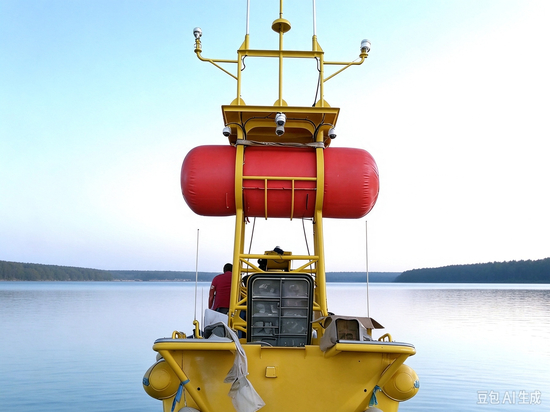
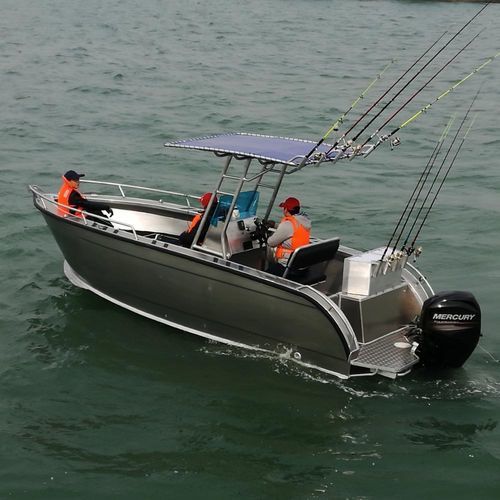
Inflatable self-righting system for military and police USV safety - Qingdao HVON Boat
Why military and police USVs need self-righting capability
Civil work boats need safety redundancy. Military and police USVs also need mission continuity. During patrol, a USV may need to approach a suspicious boat, bridge pier, dock edge or person in the water. During security operations, it may be disturbed by wake, debris or intentional contact. During rescue, it may work in current, wind and obstacles while moving toward the target. If the platform cannot recover after capsize, front-end observation, warning, lighting and towing capability can disappear at once.
A self-righting system does not make a boat impossible to damage. It creates a recovery window after instability. For military and police users, that window can reduce equipment loss, reduce the need for personnel to recover a disabled boat, and preserve situational awareness for follow-up action. This value may not be obvious in a calm-water demonstration, but it becomes practical during night patrol, flood response, port control and rapid deployment.
Tactical scenarios for inflatable self-righting systems
The HVON inflatable self-righting system is designed for small USVs, speed boats, work boats and safety retrofit projects. The product page describes automatic or manual activation, durable Hypalon construction and fast inflation for capsize recovery. For military and police USVs, this type of system can be used for water patrol, port security, border-water monitoring, emergency response, remote rescue boats and high-risk training platforms.
In patrol missions, self-righting capability reduces interruption caused by wake, waves and obstacles. In close approach or interception, it improves recovery after collision disturbance. In evidence collection, it helps keep cameras, communications and positioning equipment usable. In rescue missions, it gives the boat a better chance of remaining available in complex current and obstacle conditions, so it can continue approaching or supporting a person in the water.
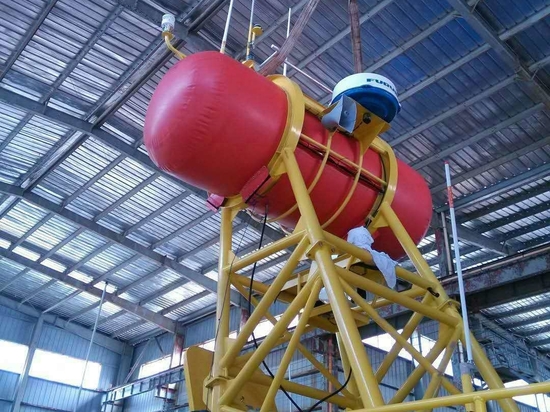
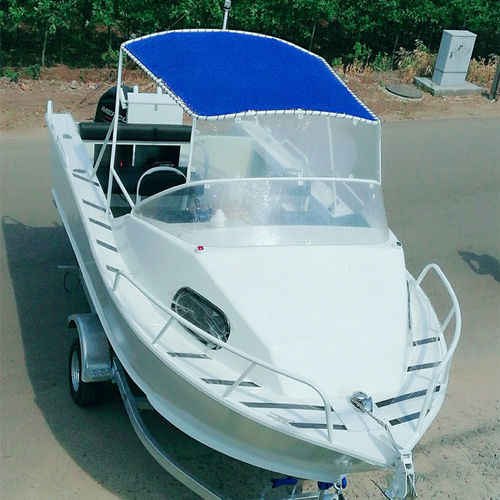
Self-righting airbag structure for capsize recovery and mission continuity - Qingdao HVON Boat
Facebook data shows overseas interest in self-righting safety
According to a HVON Boat Facebook post detail screenshot, the self-righting system video had reached 33,037 views and 476 interactions at the time of the screenshot. Its view count was 17,883% higher than ordinary posts and ranked No. 1 among 10 posts in the same group. This suggests clear overseas interest in the message: “Capsized? It can right itself.” The video can be viewed here: HVON Boat self-righting system Facebook Reel.
For lead generation, this social proof matters. Military buyers, rescue teams, shipyards and retrofit customers often want to see a safety function in action before asking for technical details. The Facebook video can be used as a viewing entry point in articles, product pages and email campaigns, leading customers to ask about boat size, trigger method, airbag material, installation position and testing procedures.
Specify self-righting as part of the whole USV design
When specifying a self-righting system for a military or police USV, it is not enough to review the airbag alone. The system should be evaluated with the whole platform. Hull size, center of gravity, sensor protection, antenna layout, water-ingress control, automatic trigger angle, manual remote activation, propulsion clearance and recovery after inflation should all be considered together. This is how self-righting changes from a safety feature into a real mission capability.
For shipyards and integrators, self-righting can also become a product upgrade point. Patrol boats, remote rescue boats, unmanned law-enforcement boats and water-security platforms are easier to explain to overseas customers when the supplier can provide a clear self-righting option, capsize recovery video and installation parameters. The customer is not only buying a hull. They are buying safety redundancy for complex waters.
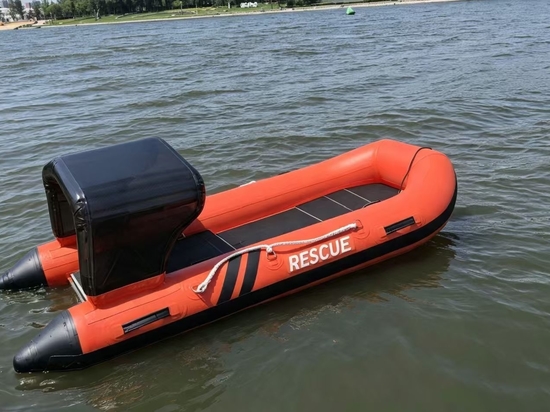
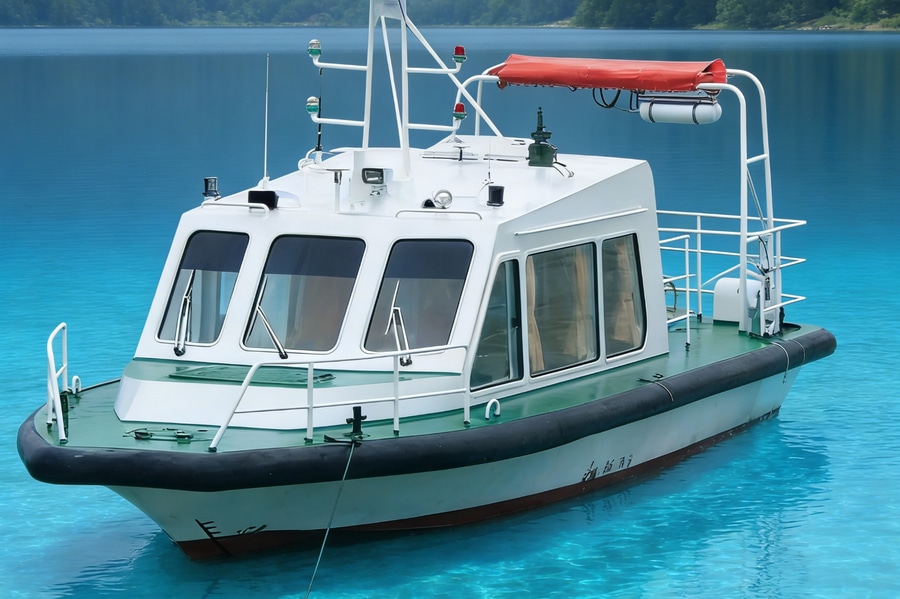
Self-righting system for speed boats work boats and USV retrofit - Qingdao HVON Boat
From procurement to training
Military and police teams can include self-righting capability in procurement and acceptance checks. Useful questions include: Is there a capsize recovery test video? What is the inflation time and trigger condition? How does the system perform under different payloads? What maintenance and replacement procedures are required? Can it work with cameras, speakers, lights and positioning modules? Training should include wake, night operation, obstacle and person-in-water scenarios, not only calm-water demonstration.
In summary, a self-righting system improves survival, recovery and mission continuity for military and police USVs. More information is available on the inflatable self-righting system product page, the Qingdao HVON Boat website, and the Facebook self-righting demonstration video. For military USVs, remote rescue boats or shipyard retrofit projects, contact HVON Boat for sizing, installation and case recommendations.
Related reading: Why Water Law Enforcement Needs Patrol USVs; HV230R-PRO application article.