#Product Trends
Application of Size Differences in Propulsion Control Levers
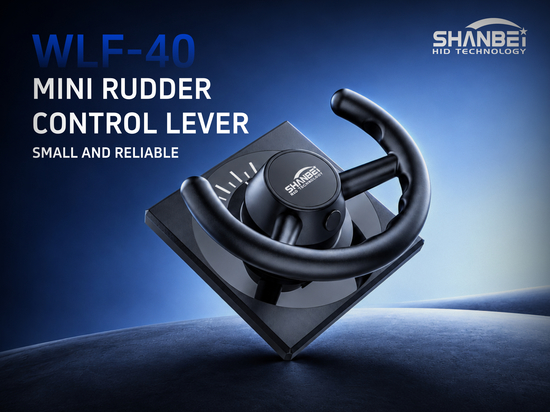
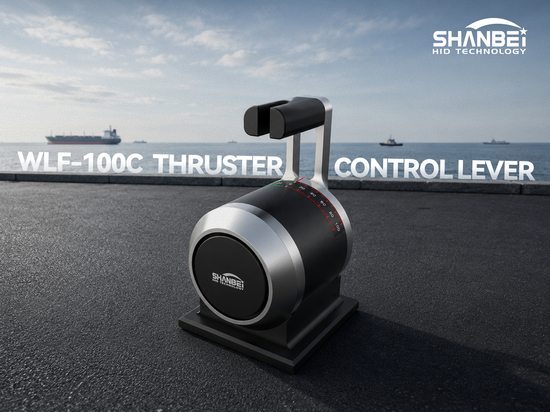
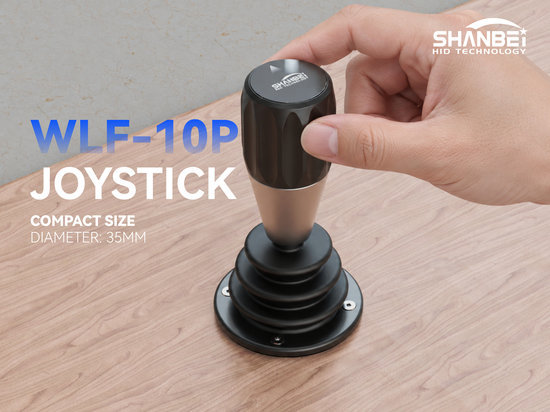
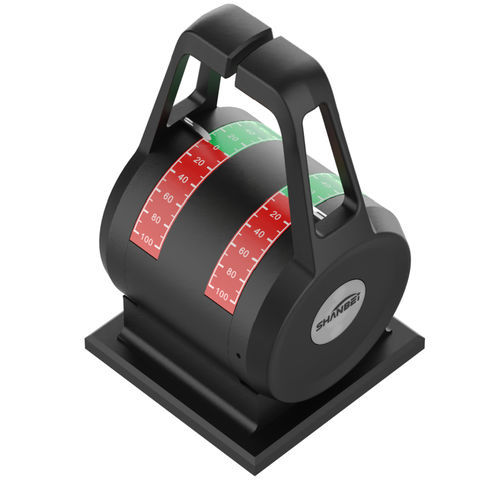
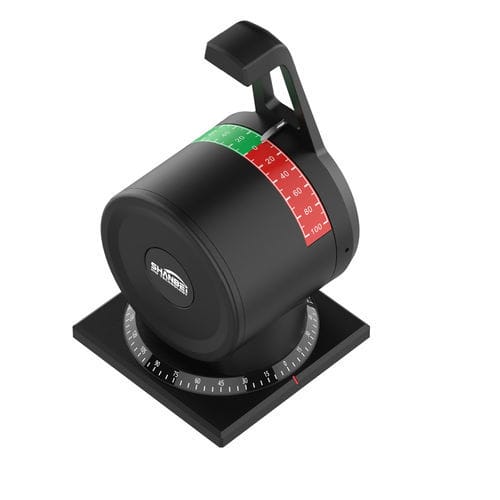
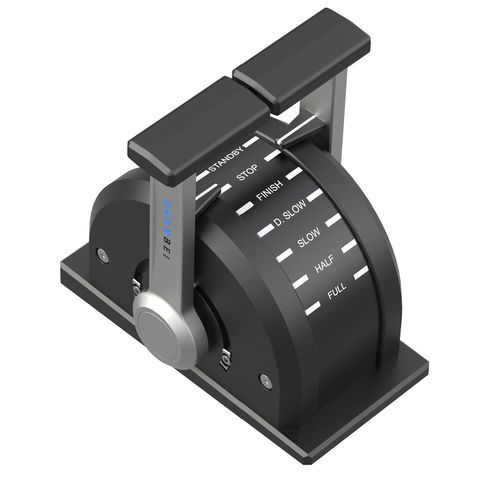
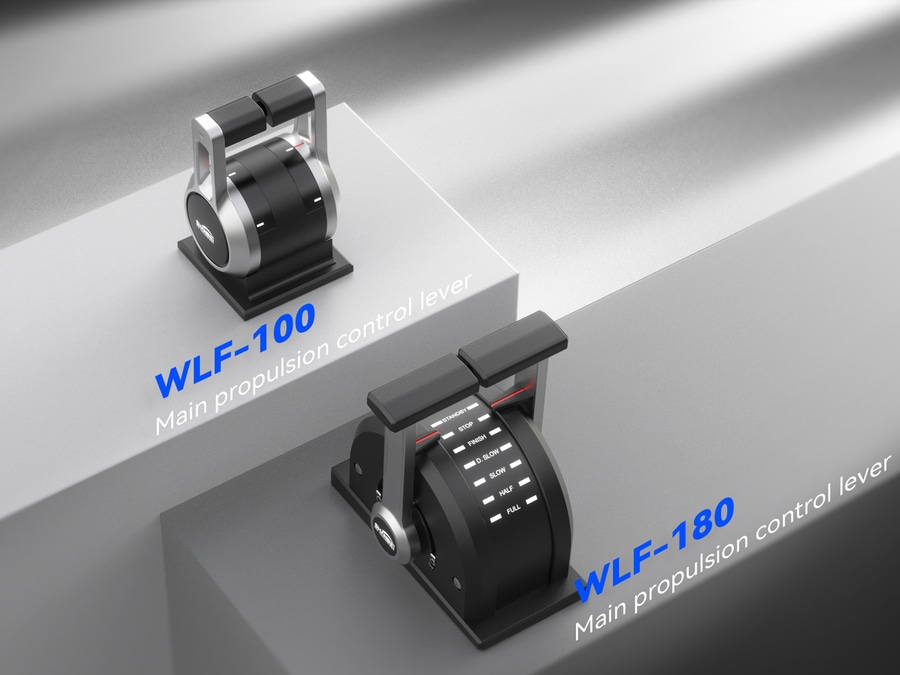
The size of the lever is primarily matched to the vessel's tonnage, power and operating mode: large levers prioritize operational precision and safety redundancy, while small levers prioritize integration density and portability.
I. Large-size Levers
1. Application Scenarios
1)Main propulsion of 10,000 DWT+ ocean-going merchant ships, container ships and oil tankers
2)Fishing vessels, engineering vessels and research vessels operating in harsh sea conditions
3)Tugboats, pilot boats and harbor tugs
4)Explosion-proof high-risk vessels such as LNG carriers and chemical tankers
2. Core Advantages
1)Enables 1% precision throttle adjustment for accurate speed and fuel consumption control
2)Provides stable grip in rough seas with strong anti-misoperation capability
3)High fault tolerance for emergency operations, complying with maritime safety regulations
4)Reduces operator fatigue during prolonged continuous operation
-----------------------------------------------------
II. Small-size Levers
1. Application Scenarios
1)Main propulsion of small inland waterway vessels, yachts and official boats
2)Auxiliary propulsion control for bow thrusters, stern thrusters and azimuth thrusters
3)Multi-lever centralized layout in integrated bridge consoles and dynamic positioning (DP) systems
4)Portable remote controls and local standby control stations
2. Core Advantages
1)Compact size and high integration density, saving bridge console space
2)Lightweight and quick operation with fast response
3)Lower manufacturing cost
-----------------------------------------------------
III. Quick Selection Guide
1. Select large-size levers for: Main engine power ≥3000kW, prolonged continuous operation, operation in harsh sea conditions
2. Select small-size levers for: Main engine power ≤1000kW, intermittent operation, compact space layout