#Product Trends
Twin-Engine and Single-Engine Propulsion Control Levers
Based on the number of engines installed, propulsion control levers are primarily classified into single-engine and twin-engine types. These two configurations differ significantly in structure, operation logic, and suitable applications.
1. Single-engine propulsion control lever
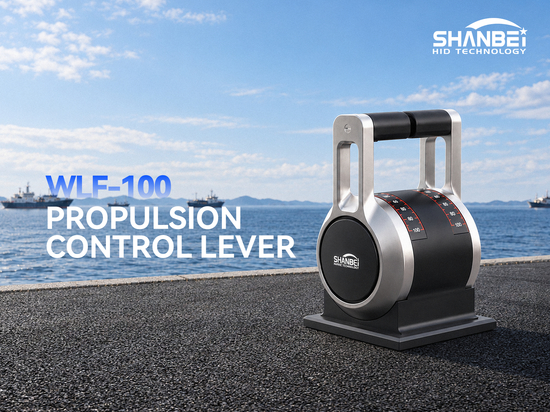
1)Structure: A single lever controls one main engine and one propeller.
2)Operation:
Central position is neutral; pushing the lever forward engages the ahead clutch and increases engine speed; pulling aft engages astern and increases speed. The single lever combines both gear shifting and throttle control.
3)Features: Simple, intuitive operation. Electronic versions typically include a neutral lock button to prevent unintentional activation.
4)Application: Single-engine, single-screw vessels such as yachts, fishing boats, and small workboats.
------------------------
2. Twin-engine propulsion control lever
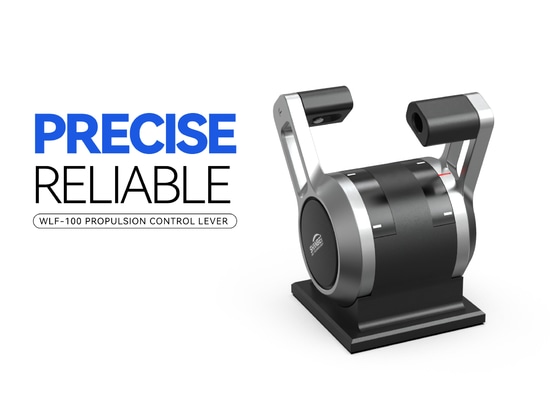
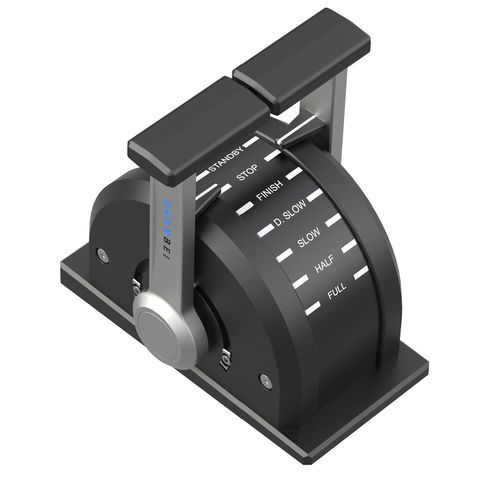
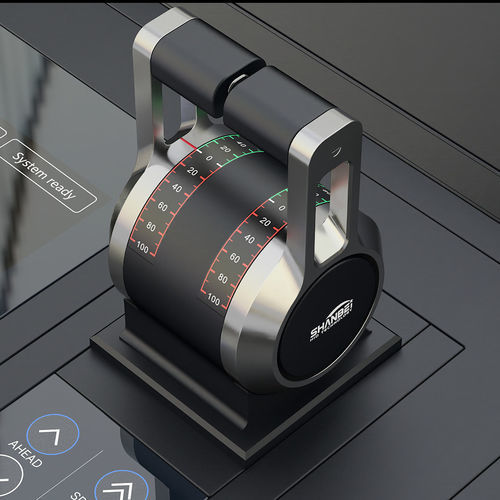
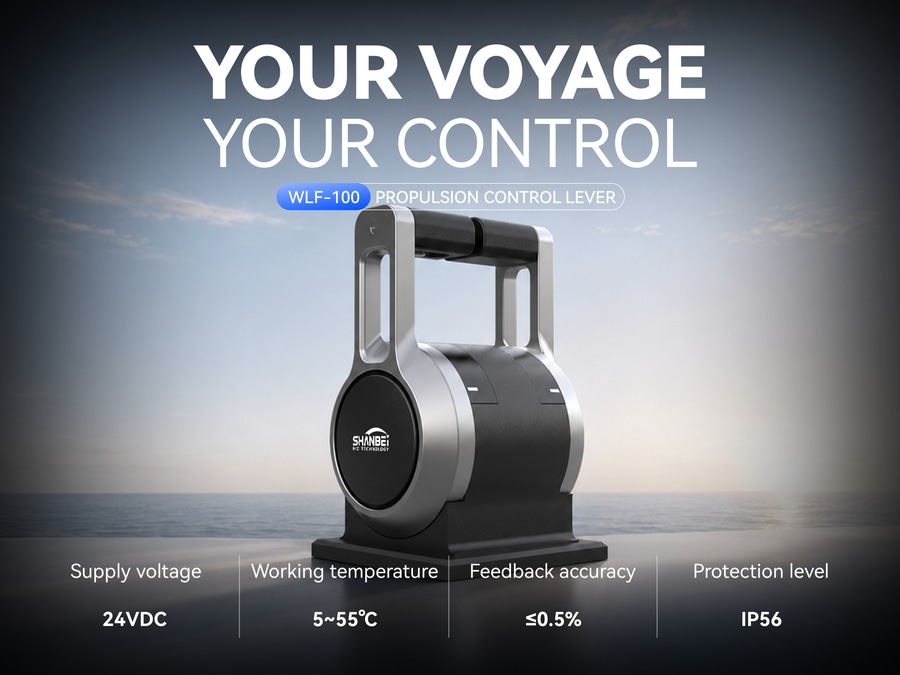
1)Structure: Two independent levers mounted side by side (port and starboard), each controlling its respective main engine and propeller.
2)Operation:
Each lever follows the same ahead/astern logic as a single lever. The key advantage is the ability to use differential thrust for precision manoeuvring, such as turning on the spot and lateral movement.
3)Sync mode:
Electronic systems often provide an engine synchronization function, where moving one lever commands both engines simultaneously, simplifying cruising.
4)Safety:
A neutral interlock is commonly installed; both levers must be in neutral before the engines can be started, preventing an in-gear start.
5)Application: Twin-engine, twin-screw vessels, including yachts, ferries, tugs, and offshore support vessels.
------------------------
3. Key differences
1)Number of levers: Single-engine system uses one lever; twin-engine uses two.
2)Steering method: Single-engine vessels rely on the rudder; twin-engine vessels can steer purely by differential propeller thrust, offering superior manoeuvrability.
3)Redundancy: A single engine failure results in total loss of propulsion; with twin engines, the remaining unit can maintain manoeuvring capability.
4)Operational complexity: Single-lever is simpler; twin-lever is slightly more complex, but the sync mode significantly reduces operator workload.
------------------------
4. Special configuration: Twin-engine single-lever control
1)Employs a single lever with an electronic control system to command both engines simultaneously.
2)Differential thrust and synchronization are achieved through a combination of twist-grip operation or mode selector switches, allowing single-handed control while retaining the manoeuvrability of a twin-engine vessel.
3)Typically found on high-performance rigid inflatable boats (RIBs) and high-speed patrol craft.