#Product Trends
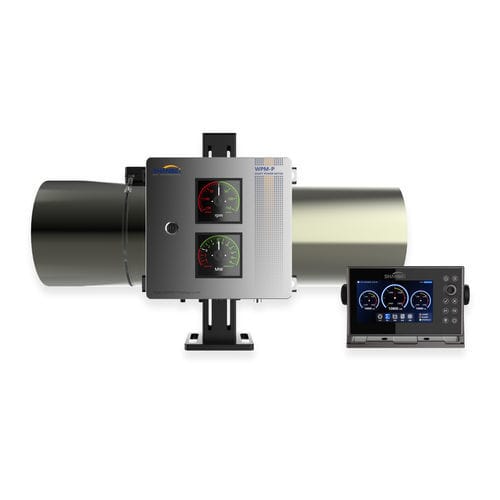
The Historical Context of Marine Shaft Power Meters
The development background of marine shaft power meters can be summarized by four drivers:
I. Economic: After the oil crises, high fuel costs pushed shipowners to optimize speed and fuel consumption, turning shaft power measurement from temporary sea-trial use into continuous onboard monitoring.
II. Regulatory: IMO and EU rules such as EEDI/SEEMP, DCS/MRV and EEXI/CII require reporting of actual power and carbon emissions, making shaft power meters essential for compliance and energy-efficiency accounting.
III. Safety: Larger ships face higher risks of shaft misalignment, torsional vibration and bearing wear; abnormal power fluctuations can provide early fault warnings.
IV. Technological: Advances in magnetoelastic, SAW and fiber-optic sensors, wireless telemetry and digital signal processing enable reliable, easy-to-install and networked online monitoring.
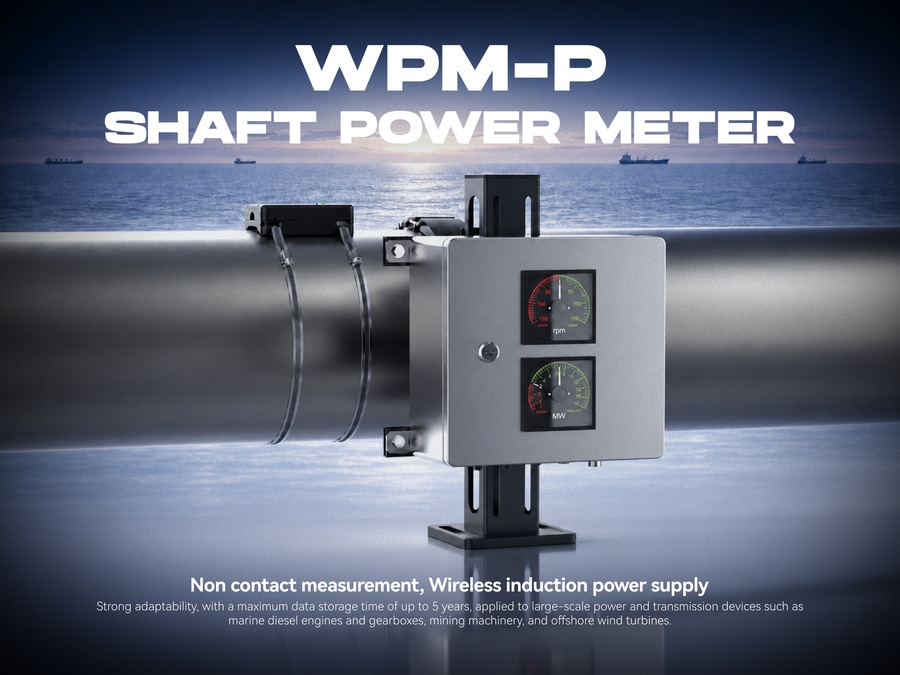
As a result, the shaft power meter has evolved from a sea-trial instrument into a key sensor for fuel management, regulatory compliance, shafting safety and smart shipping, driven by economic, regulatory, safety and technological factors.