#Industry News
Explanation of the propulsion control lever for Marine main engines
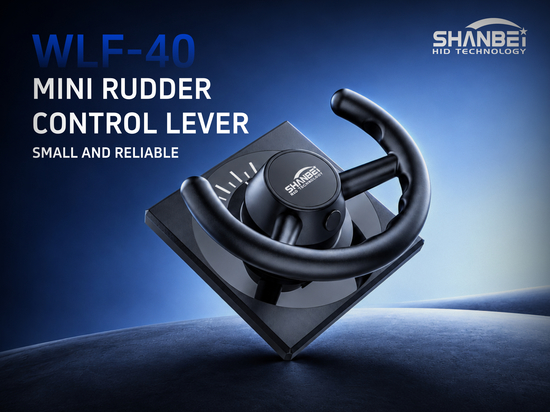
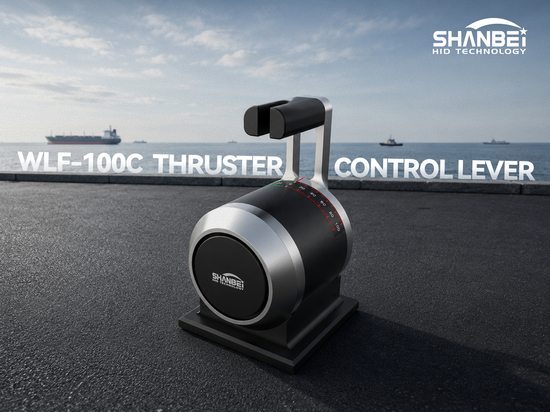
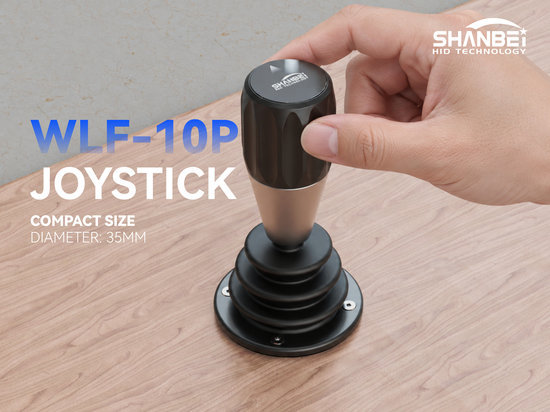
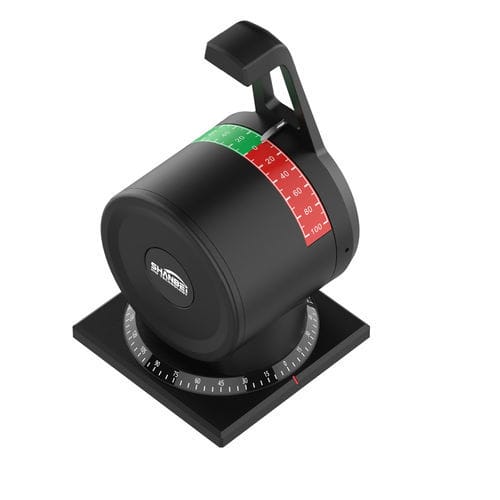
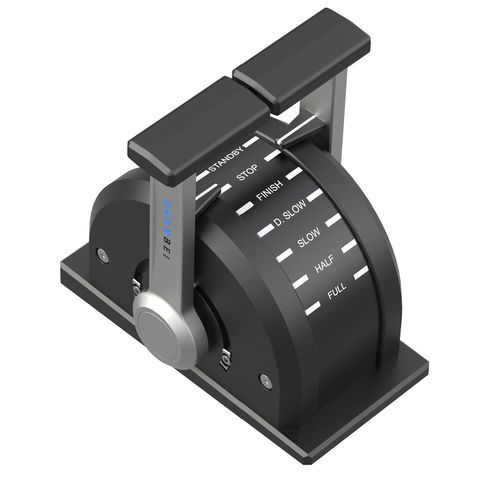
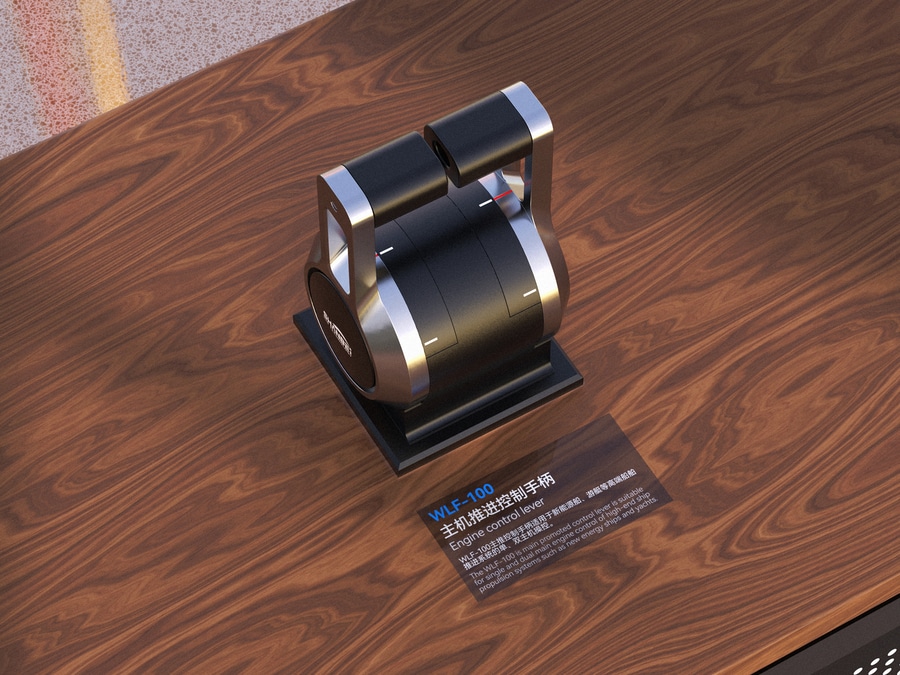
The Marine main engine propulsion control lever is the core control device of the ship's power system.
1. Core functions
(1) Speed regulation: The fuel supply of the main unit or the power of the motor is controlled by the displacement of the handle, achieving stepless speed variation from 0% to 100%.
(2) Direction switching: Control the forward/reverse direction of the main unit. Some models support one-click direction switching and linked deceleration protection to avoid operational risks.
(3) Safety Assurance: It is equipped with emergency control (such as locking the preset speed when the system fails), anti-misoperation (such as gear slot, damping design), and multi-control station synchronization functions to prevent command conflicts.
-------------------------------------
2. Main types and applicable scenarios
(1) Mechanical/Hydraulic type: It has a simple structure but relatively low precision. The hydraulic type has a risk of leakage and is mainly used in the backup control systems of small inland river vessels and old merchant ships.
(2) Electrically controlled type: It features high precision, can be linked to the ship's automation system, and can also integrate a display screen to show the rotational speed and fault codes. It is the mainstream choice for scenarios such as engineering vessels and luxury yachts.
(3) Wireless/remote control type: It features water resistance and supports body-sensing control. It is suitable for complex operation scenarios such as ship translation and in-place turning. Some models can monitor their status through a mobile phone APP.
-------------------------------------
3. Key technical features
(1) Lightweight: Utilizing materials such as aluminum alloy, the weight is reduced by 40% compared to traditional steel handles, significantly enhancing the salt spray corrosion resistance.
(2) Intelligence: It can be linked with the automation system to achieve cruise control. Some models can optimize the main unit load through algorithms to reduce energy consumption.
(3) New energy adaptation: It can meet the demands of hydrogen energy and electric ships, support wide speed range control, and some electric ship handles can also achieve energy recovery.