#Industry News
Application of Azimuth Control Lever for Ships
The azimuth control lever simplifies complex ship maneuvering into intuitive actions, enhancing the safety and efficiency of port operations.
1. Basic Definition
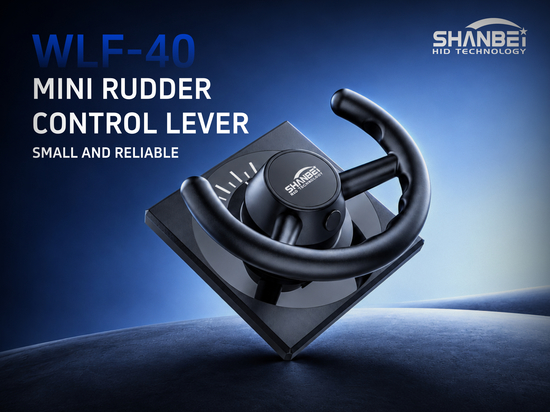
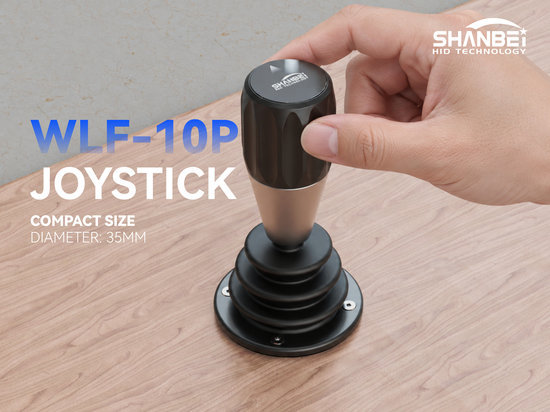
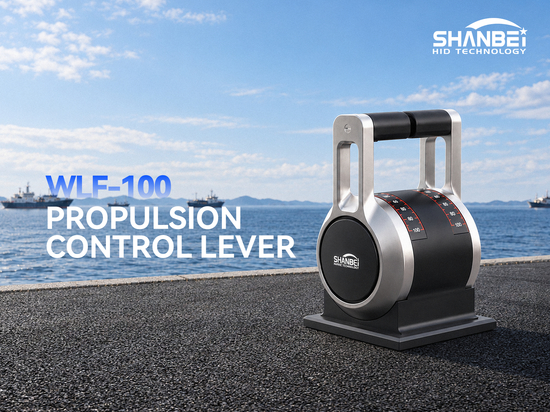
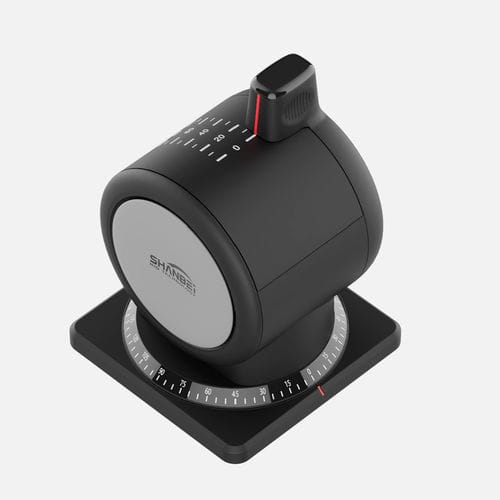
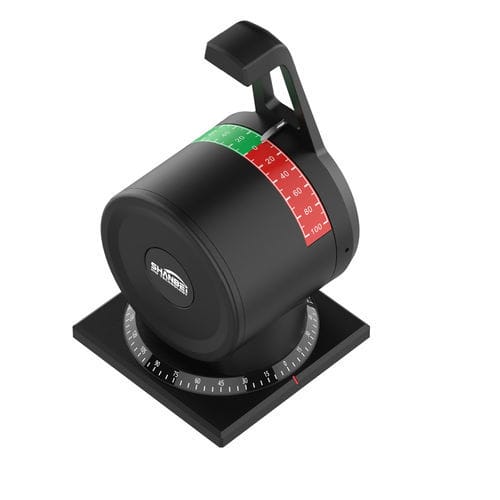
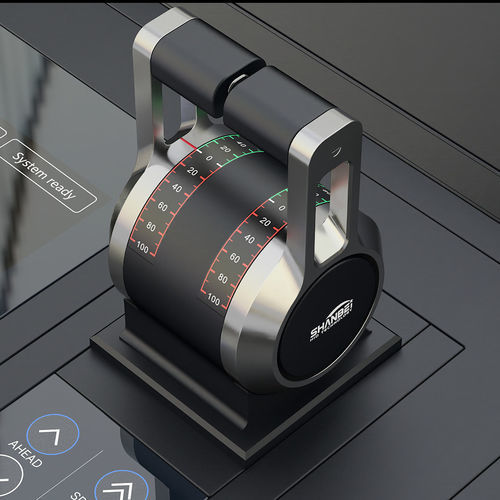
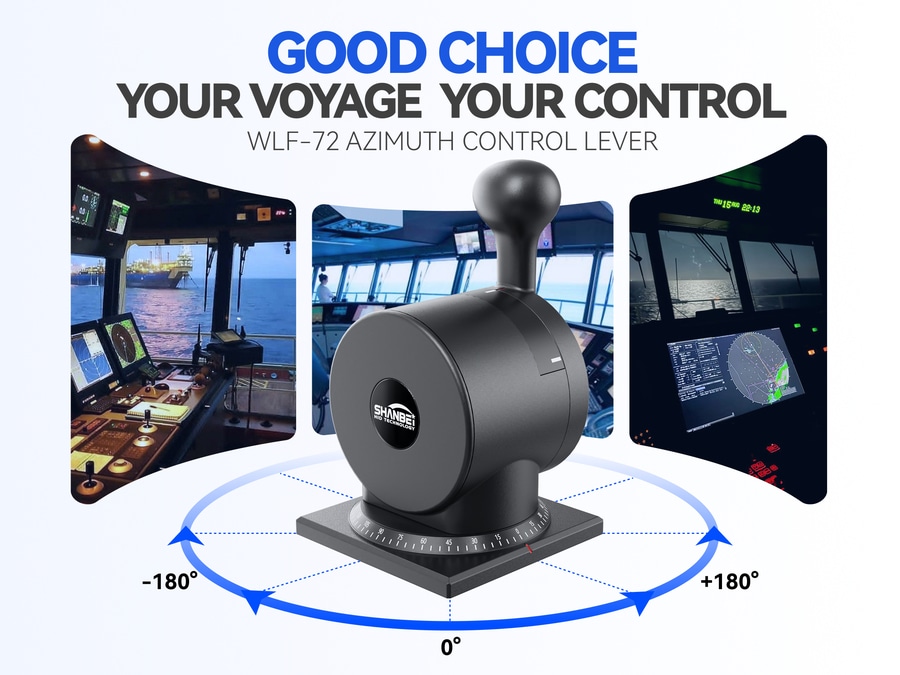
1)An azimuth control lever is an integrated maneuvering device specifically designed for ships equipped with azimuth thrusters (e.g., podded propulsors, rudder propellers).
2)It simultaneously controls the ship’s thrust output and direction of travel via a single lever, replacing the traditional separate control mode of “telegraph + steering wheel”.
-------------------
2. Operating Principle
1)Fore-aft push-pull: Controls the ship’s longitudinal motion. Pushing forward increases ahead thrust; pulling backward increases astern thrust or reverses. The amplitude determines the speed.
2)Horizontal rotation: The lever can be rotated continuously through 360° or ±180°. The direction the lever points indicates the direction of thrust generated by the azimuth thruster.
3)Signal conversion: Internal sensors (potentiometers, encoders) convert mechanical movements into electronic signals, which are transmitted to the control system to regulate propeller speed and steering angle.
-------------------
3. Core Functions and Advantages
1)High integration: Single-hand operation for both power and direction control, eliminating the need for multiple independent devices.
2)Maneuverability: Enables omni-directional movement, including in-situ rotation and lateral drift, with a small turning radius.
3)Intuitive control: The lever’s pointing direction corresponds directly to the ship’s movement direction, reducing reliance on operator experience.
4)Space saving: Compact structure, reducing the occupation of bridge console space.
-------------------
4. Main Application Scenarios
1)Harbor tugs: Assisting large vessels in berthing and unberthing, achieving precise micro-control such as lateral translation and in-situ turning.
2)Podded electric propulsion ships: e.g., cruise ships, icebreakers, special purpose vessels – fully exploiting the agility of electric propulsion.
3)Multi-propeller complex maneuvering ships: Single lever linkage control of multiple thrusters (e.g., four at bow and stern) to perform complex movements.
-------------------
5. Summary Significance
1)The azimuth control lever represents the development direction of higher maneuverability, higher integration, and greater intelligence for modern ships.
2)It condenses complex power and direction control into intuitive push-pull and rotating actions, significantly enhancing the safety and efficiency of port operations.