#Product Trends
Thruster Control Levers Are Undergoing a “Quiet Upgrade”: From Mechanical Switches to Key Interfaces in Smart Ship Handling
Amid the ongoing electrification and intelligentization of vessels, the thruster control lever—a traditionally low-profile component—is undergoing a quiet technological transformation.
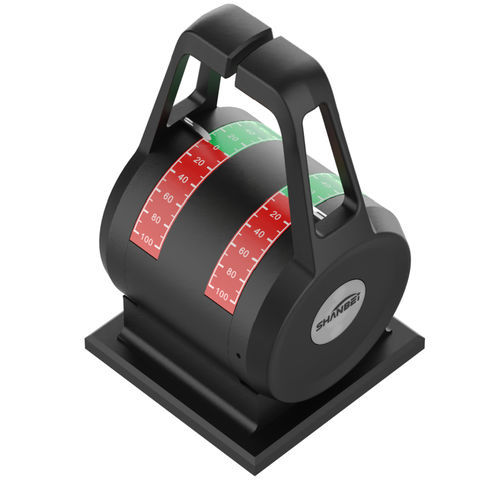
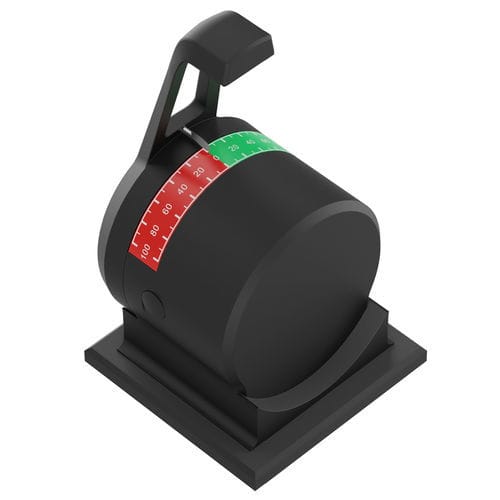
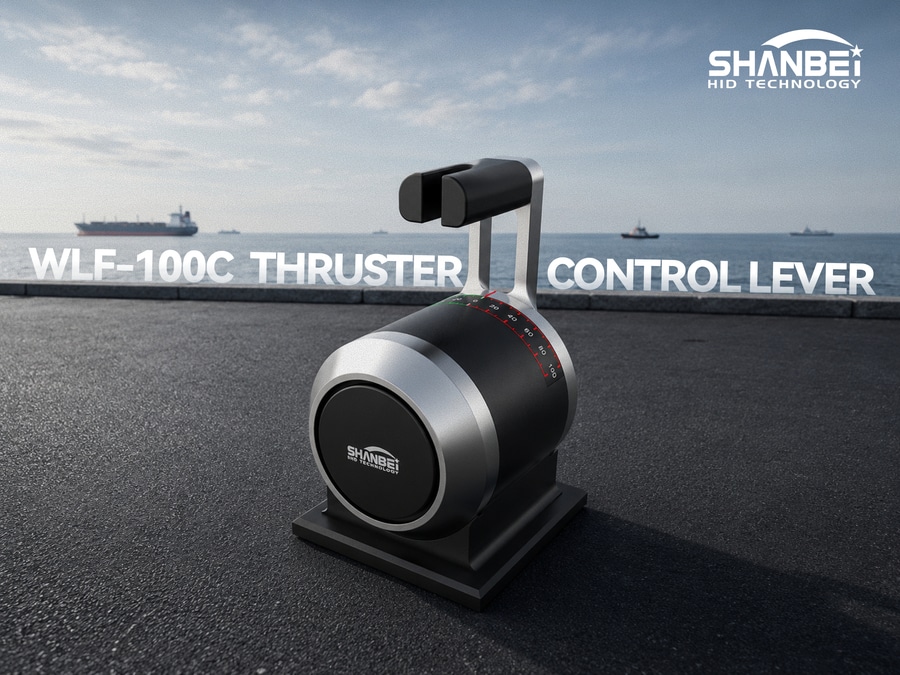
1. In the past, it served only simple functions such as direction selection and thrust adjustment. Today, with growing demand for dynamic positioning, automated berthing, and coordinated multi-thruster control, the role of the control lever is shifting from a basic on-off switch to a core human-machine interface that directly affects handling precision and overall vessel safety.
2. Industry observations show that traditional mechanical control levers are prone to contact wear, signal drift, and neutral position offset over prolonged use. These issues become particularly evident during fine maneuvering scenarios such as low-speed docking and station keeping. At the same time, electric thrusters respond faster and involve more complex control logic, requiring control signals with higher resolution and stronger resistance to interference. Legacy devices that simply output switching signals are increasingly unable to meet system integration demands.
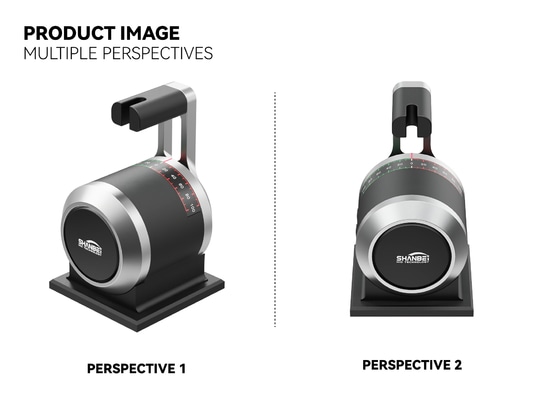
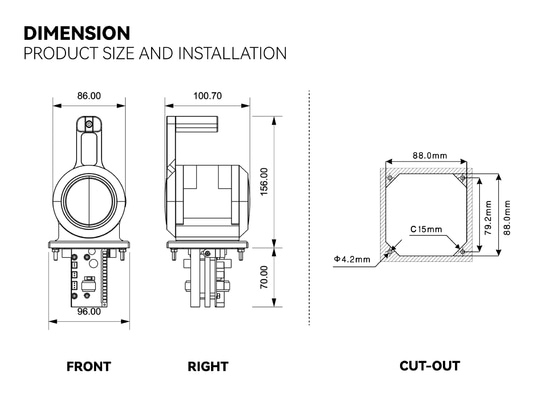
3. The technological evolution of new-generation thruster control levers is moving in three main directions. First, sensing methods are shifting from contact-based to non-contact technologies, reducing precision degradation caused by mechanical wear at the source. Second, communication interfaces are upgrading from analog signals to digital fieldbuses, enabling easier integration into the vessel’s control network and supporting remote diagnostics. Third, structural designs are becoming more compact while improving protection ratings and operating feel, making them suitable for smaller vessel types, unmanned craft, and harsh marine environments.
4. Industry experts note that although the control lever is a small component, it directly affects operator confidence when maneuvering in narrow waterways or strong currents. Well-designed neutral feedback, a reasonable operating force curve, and anti-misoperation features can significantly reduce crew fatigue and the risk of unintended commands. Looking ahead, with the development of autonomous navigation and remote operation technologies, thruster control levers are expected to become more deeply integrated with electronic chart systems and autopilot functions, forming an indispensable link in the intelligent ship control chain. This “quiet upgrade” is worth continued attention from shipyards and system integrators.